
Hard Courts Are Beating You Up—Here’s the Better Way to Play Pickleball in Connecticut
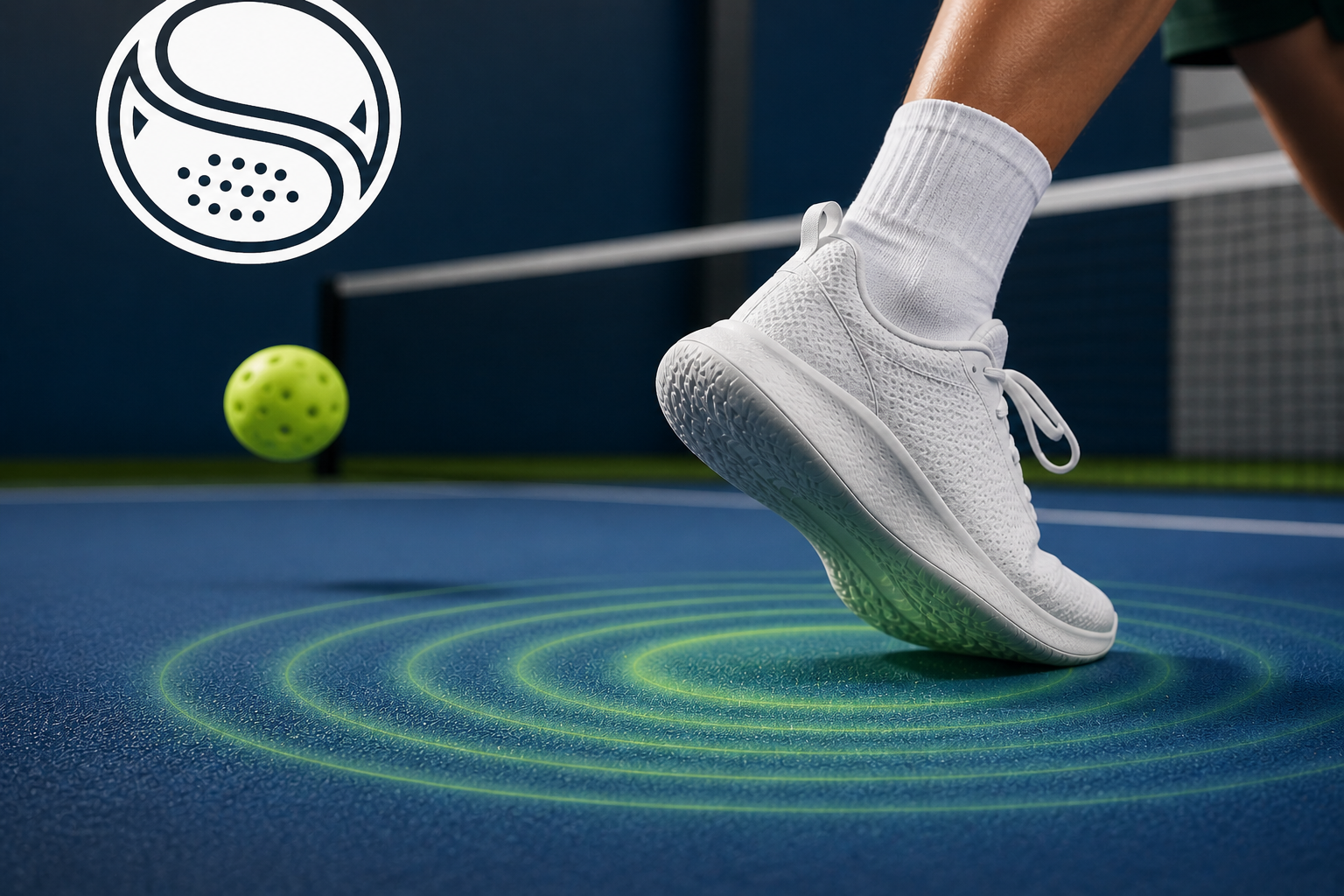
Hard Courts: Durable, But Demanding
Traditional pickleball courts are typically built on concrete or asphalt bases. These surfaces are widely used because they’re cost-effective, durable, and easy to maintain.
However, they are also rigid and non-forgiving.
Each movement—whether it’s a quick lateral step, a stop at the kitchen line, or a sprint to return a shot—creates impact that travels directly through your feet and into your joints.
Over time, this can contribute to:
- Joint stress, particularly in the knees and hips
- Muscle fatigue during extended play
- Increased soreness after sessions
- Greater recovery time between games
For players who are on the court regularly, these effects tend to become more noticeable.
Cushioned Courts: Designed With the Player in Mind
Cushioned pickleball courts are engineered to reduce the impact forces associated with play.
Rather than transferring energy directly back into the body, these surfaces incorporate layered systems that absorb and disperse shock.
The result is a more controlled, comfortable playing experience—without compromising the integrity of the game.
Players often notice:
- Reduced strain on joints over time
- Improved comfort during longer sessions
- Less post-play soreness
- More consistent, stable movement
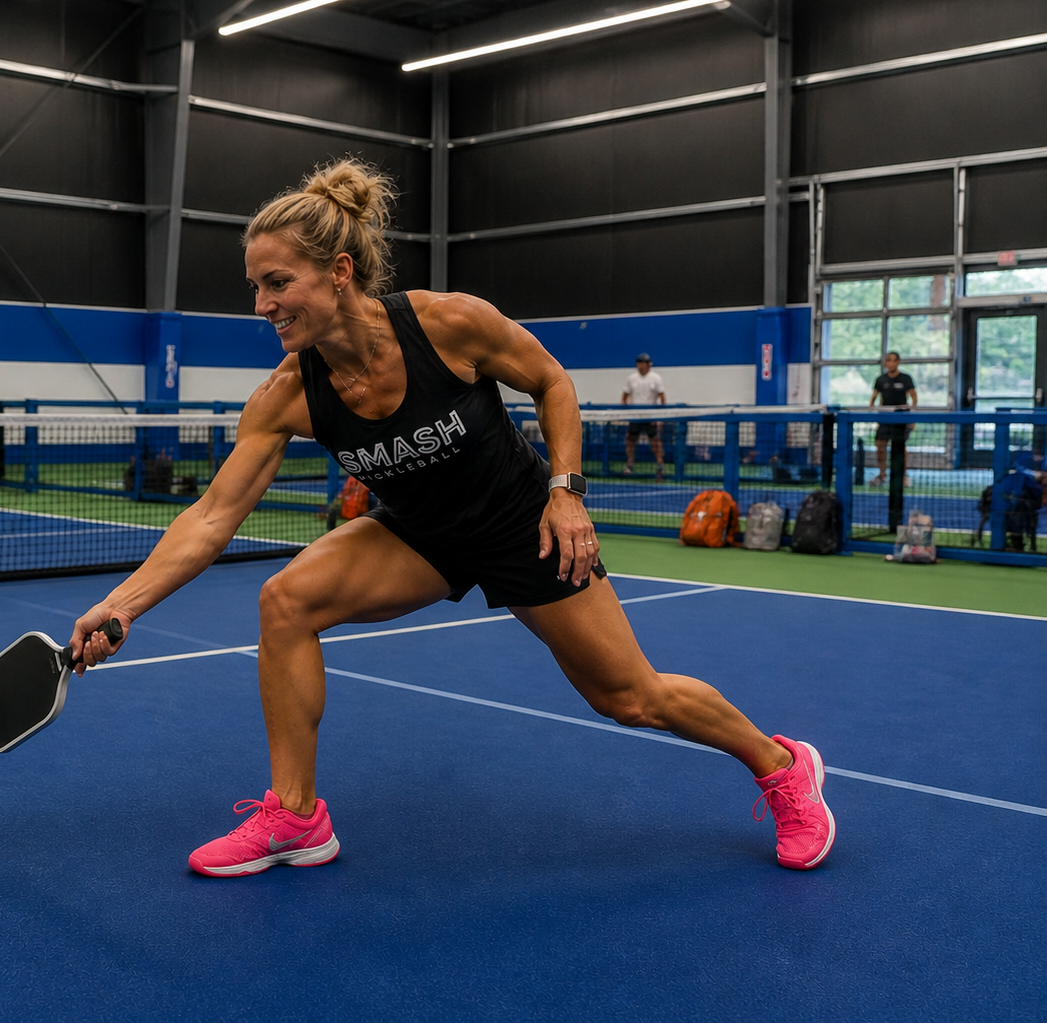
Built by the Experts: The Hinding Group
At SMASH in Branford, the courts were not treated as a standard installation—they were a priority.
They were constructed by The Hinding Group, a recognized leader in tennis and pickleball court development known for building high-performance, tournament-quality surfaces.
Their approach focuses on:
- Precision construction for consistent play
- Advanced surface systems designed for durability and comfort
- Court performance that meets both competitive and recreational standards
By integrating cushioned surface technology into professionally engineered courts, SMASH offers a playing environment that supports both performance and long-term player comfort.
Understanding how court surfaces impact your body—and why more players are choosing Serve & SMASH
If you’ve ever finished a pickleball session feeling more sore than expected, the cause may not be your fitness level or playing style.
It may be the surface you’re playing on.
While most players focus on paddles, shoes, and technique, the court itself plays a significant role in how your body responds during and after play.
Quick Takeaways
- Hard courts can increase joint stress and recovery time
- Cushioned courts absorb impact and improve comfort
- Surface type affects longevity, recovery, and injury risk
- Courts at SMASH were built by The Hinding Group, leaders in court construction
- A better surface leads to a more sustainable playing experience
Why Surface Matters More Than You Think
The difference between hard and cushioned courts isn’t always obvious at first glance—but it becomes clear with repeated play.
Surface quality directly affects:
- How long you can comfortably play
- How your body feels the next day
- Your risk of overuse strain over time
- Your overall enjoyment of the game
For many players, upgrading the surface they play on has as much impact as upgrading their equipment.
A More Sustainable Way to Play
For players in Connecticut looking to play consistently without feeling worn down, the court surface is an important factor to consider.
Cushioned courts provide a more balanced playing experience—maintaining performance while reducing unnecessary stress on the body.
Come join us soon to discover the true difference!